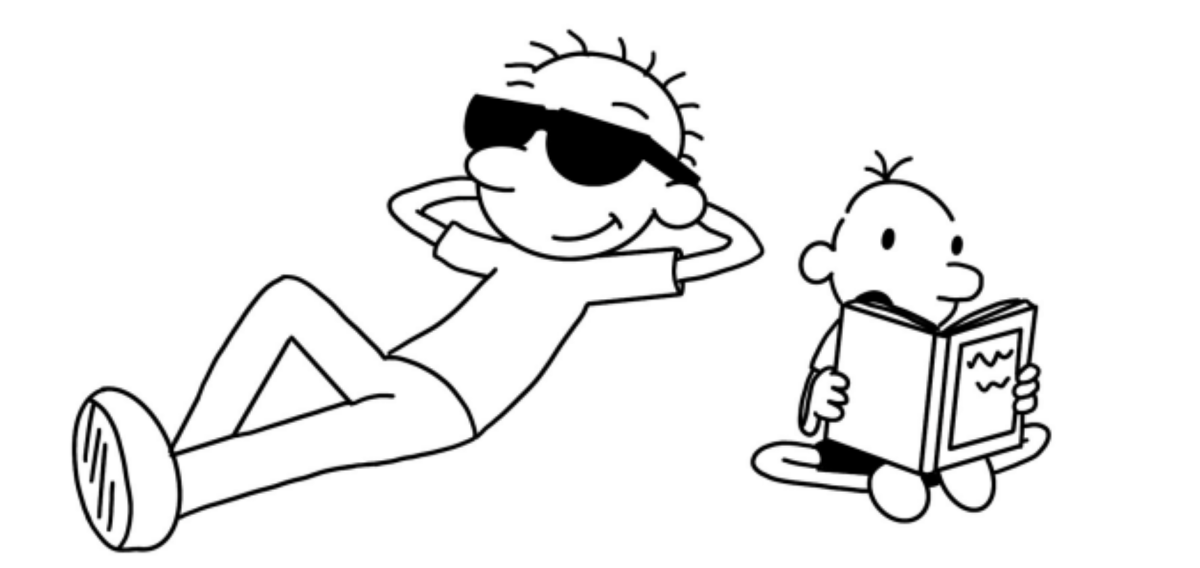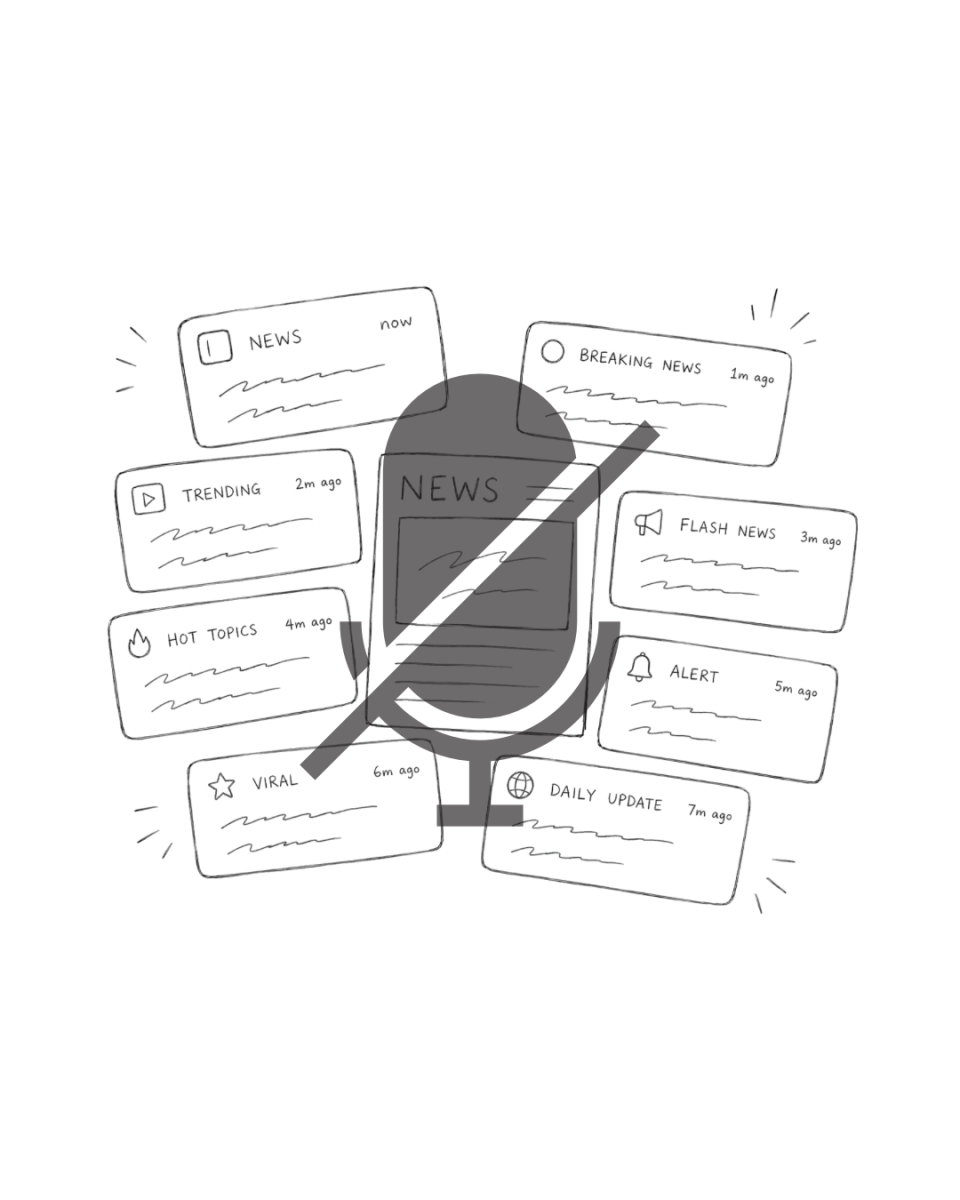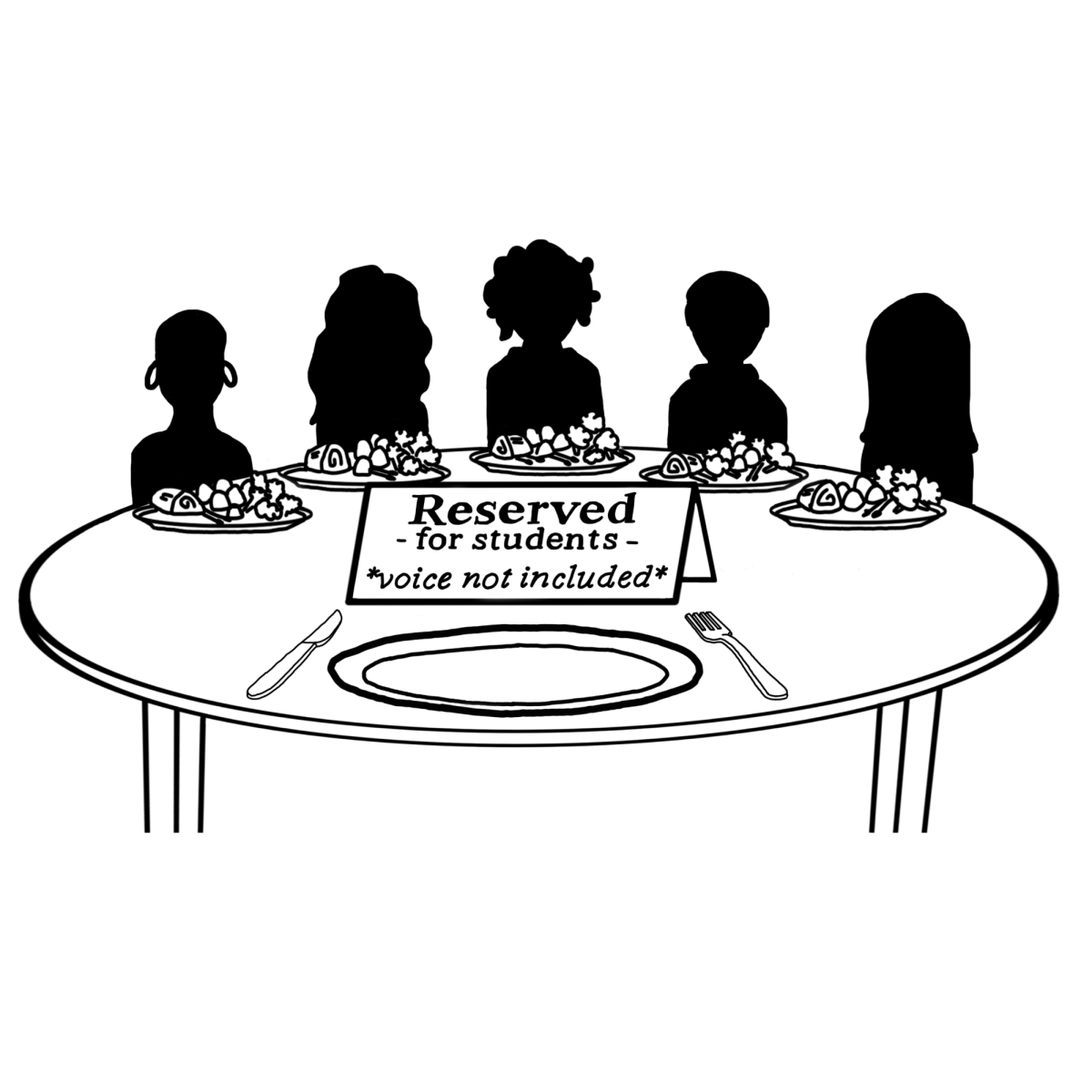
In today’s world, political decisions and news frequently reach younger audiences through social media platforms like TikTok, Instagram and X. A 2022 survey by the American Press Institute found that 74 percent of Gen Z get their daily news from at least one social media platform. On these platforms, issues ranging from the release of the Jeffrey Epstein files, the death of right-wing influencer Charlie Kirk and even global conflicts have often been reduced to jokes and viral memes. While humor has sometimes been used to help process difficult issues, the growing trend of memeification is desensitizing us to the gravity of tragedy.
This phenomenon has been dubbed “memetic warfare,” or the dissemination of internet memes to influence and shape public opinion. A Ypulse survey found that 55 percent of people ages 13-35 send memes every week, with around 60 percent being political memes. The rapid spread of memes makes them powerful tools in the modern world.
Unlike propaganda, memes often appear organically created by everyday users. However, research shows that many memes are designed to appear that way, but are truly made to influence political opinions. Researchers at the University of Notre Dame analyzed more than 5.3 million posts and 3.2 million images, and found that political visuals and memes surged dramatically in the two weeks before Russia’s 2022 invasion of Ukraine. Ernesto Verdeja, a professor of peace studies and global politics at Notre Dame, performed a two-stage analysis of the memes and posts in question.
“We were able to trace in near-real time not only the sharp rise in visual social media, but also the kinds of narratives that shape political discourse and drive instability,” Verdeja said in an interview with the Association of American Universities.
Following the assassination of Charlie Kirk, memes began to circulate with Kirk’s face grafted onto different celebrities and figures from David Bowie to Kim Jong-Un, called “Kirkifying” them. Memes depicting former president Bill Clinton during a congressional hearing, reading email correspondence with Jeffrey Epstein, also spread which were often captioned “reminiscing on the good days.” While these memes are typically shared as satire, they normalize making light of serious and heavy situations.
This trend isn’t limited to everyday social media users. Recently, political leaders have embraced this type of content to trivialize serious issues. Officials from the Trump Administration recently posted clips of the Iranian missile strikes mixed with clips from video games and films. The official White House X account also posted a video titled “ASMR: Illegal Alien Deportation Flight,” showing immigrants in shackles being prepared for a deportation flight from Seattle.
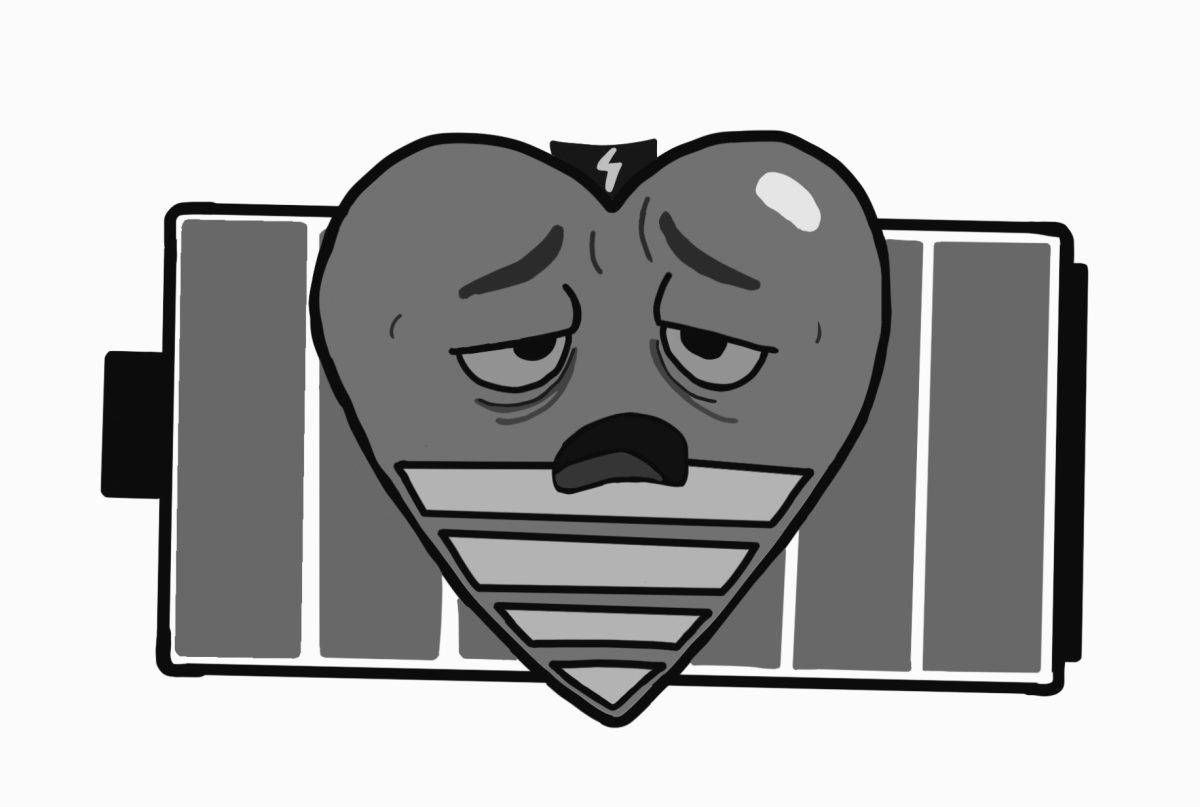
When social media feeds are filled with memes focused on different political/social topics, the constant jokes can desensitize the public to important issues. A Psychological Science study found that people repeatedly exposed to headlines about unethical behavior began to view those behaviors as increasingly more ethical.
This doesn’t mean humor is inherently bad. Studies have found that laughter can help lower cortisol levels and cope with fear. Humor and empathy can exist in tandem, but it is important to converse about where the line should be drawn. For many young users, memes may serve as the first point of exposure to political issues. When major political issues are reframed as memes, people lose empathy and awareness about the situation.
Accessibility should not come at the cost of understanding. While memes may spark curiosity, they rarely provide context to understand complex issues such as international conflict, political corruption or humanitarian crises. A 2023 report from the Reuters Institute found that younger audiences who rely primarily on social media for news are significantly more likely to encounter misleading or oversimplified political information.
As social media continues to shape the way younger generations receive information, users must approach viral content with greater awareness: Take a moment to consider the real people and consequences behind a meme before sharing it to your peers. Humor can still exist online, but it should not replace thoughtful engagement with issues that shape our world. If younger audiences want to remain informed citizens rather than passive consumers of viral content, it starts with recognizing when a meme stops being harmless entertainment and begins shaping the way we understand reality.