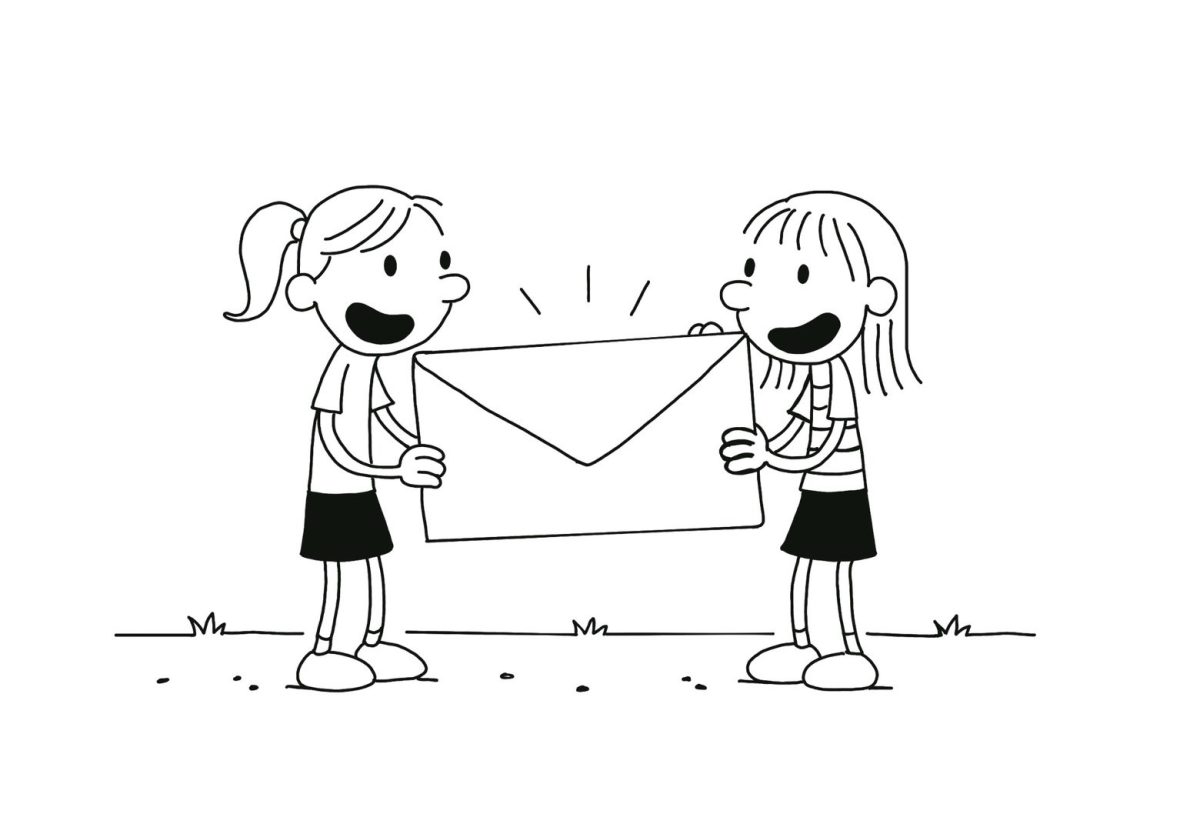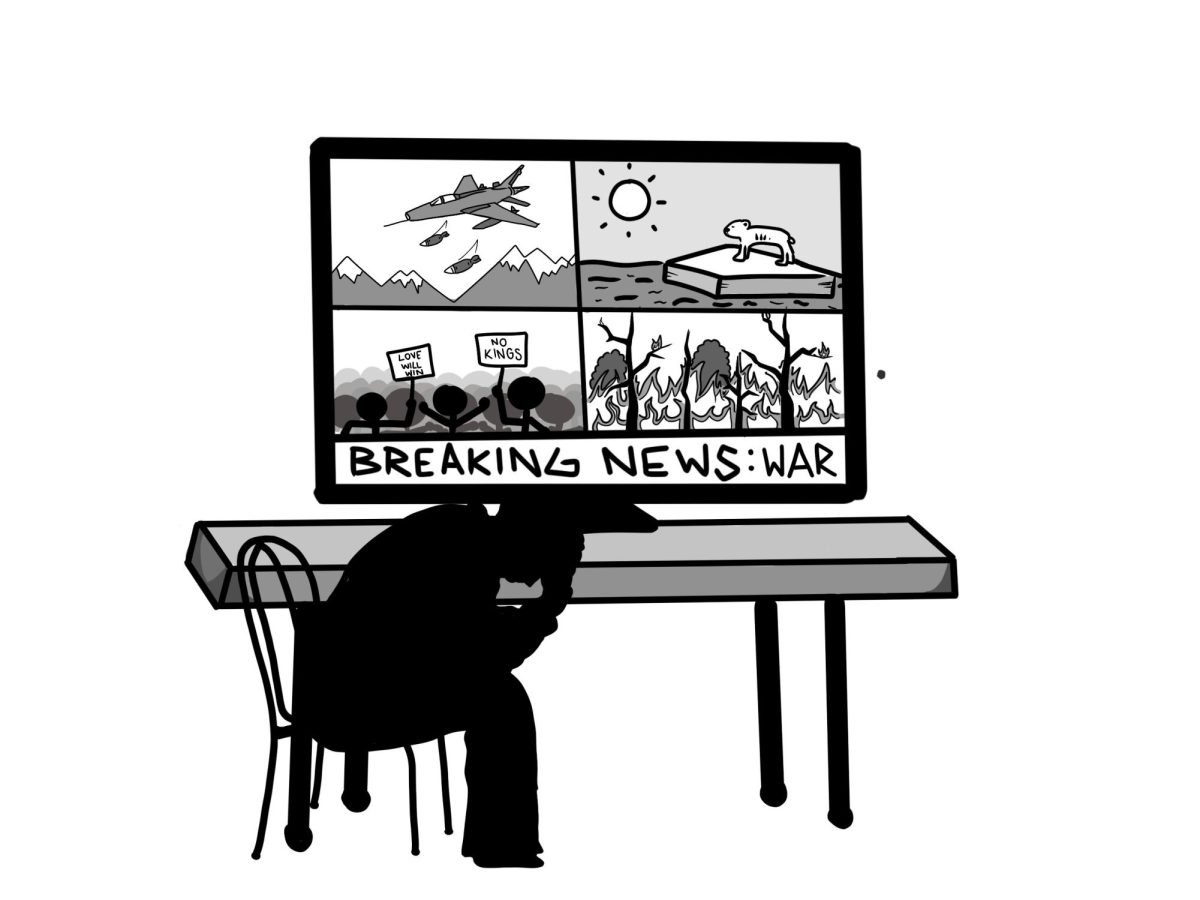
When you think about a traditional stereotype for a boy, the first characteristic that tends to come to mind is being strong. There is the assumption that boys shouldn’t talk about their feelings because they will lose respect, and they should take care of their own problems. This essentially promotes the idea that any form of showing deeper feelings is frowned upon. It raises a damaging, preemptive image that boys feel they need to hold themselves to a standard that coincides with being a “real” man. This stereotype has blended into other aspects of their lives, unintentionally hurting them from being able to open up, especially when it comes to attending therapy.
When describing therapy, contrasting ideas are used from the traditional male stereotype: it is focused on being in touch with your feelings and revealing vulnerability. The common assumption that boys must be mentally strong makes it hard for boys to want to talk about their feelings, causing many to suffer in silence. This concrete wall idea of being a strong stoic man needs to be broken down. There needs to be more emphasis on de-stigmatizing therapy for boys. Attending therapy shows that you have strength and that you are taking the initiative to seek help. It takes bravery and strength to face your struggles head-on and admit that help is needed. Instead of perceiving going to therapy as a weakness, it should be seen as courageous.

Having this negative stigma around therapy is one of the reasons there is a drastic difference between the number of women who attend therapy versus men. According to a survey given to men and women ages 18 and older in the United States from Statista, in 2024, the percentage of women who received mental health treatment was 28.2 percent, while for men it was only 17.3 percent. The complex societal norm that involves boys striving to be a “real” man harms their ability to take care of their mental health. Mental health is not something that should be taken lightly; acceptance of therapy among men needs to be brought to the forefront of this issue, closing the divide between the amount of men and women who attend therapy.
This is a widespread trend that males have experienced for decades and has been brought up in the American Psychological Association. They released guidelines sharing that the traditional masculinity ideology has been shown from decades of research to be psychologically harmful. These norms reduce the likelihood of seeking help through therapy, increasing the risk of isolation, poorer mental health and higher suicide risk among men. Additionally, once men go to therapy, it helps reduce the stigma around this topic by breaking barriers to show that men do not have to be held to this outdated standard.
Despite therapy being the smart decision, it can be tough to share that you are struggling or that you need to get help. Many feel like a burden when sharing feelings, making it scary to take the first step of admitting that they need help. But if you don’t share your feelings through some type of outlet, you are going to hurt yourself in the long run. Suppressing feelings is only going to make you feel worse. Putting all stereotypes aside, it is critical for your mental well-being to talk to someone and get help if you need it.
To combat these damaging stigmas, boys should try to talk openly about therapy and mental health. As a society, it should be a goal to make an open atmosphere where people of all genders are comfortable talking about their feelings freely. If your mental health is being negatively impacted, you should go to therapy or talk to someone, so you can get back to experiencing those positive moments.