For many students at Redwood High School, taking multiple Advanced Placement (AP) classes can often be associated with academic success. However, the workload that comes with taking these rigorous courses can have a significant impact on sleep, an effect that is often overlooked.
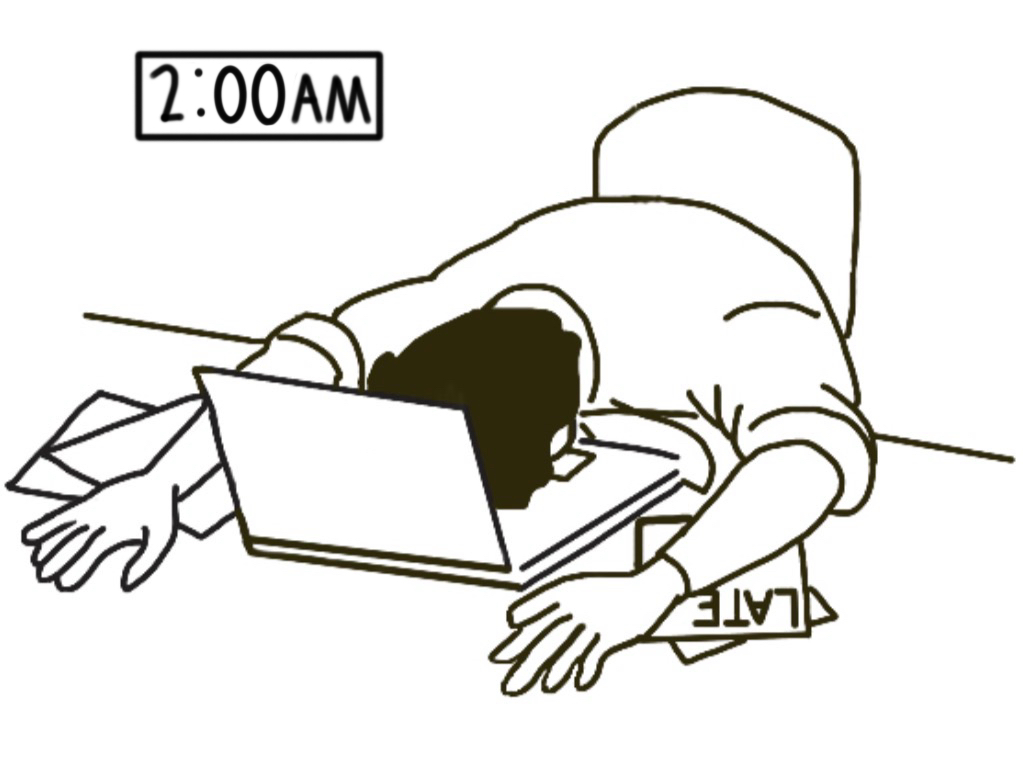
As students decide to take many AP classes, nightly homework assignments can take hours, pushing their bedtimes later and later. For many students, the result is not only exhaustion, but an ongoing cycle of insufficient sleep.
Leo Centeno, a senior who has taken 10 AP classes, said, “It wasn’t really one specific moment, it happened pretty often that I would stay up later than I should because of schoolwork.”
Centeno emphasized what he needed to sacrifice. “I definitely had to give up time I could’ve spent relaxing or hanging out with friends during the week because of homework,” he said.
While this tradeoff is common, experts say the relationship between workload and sleep is more significant than it appears.
Dr. Elysa Marco, a pediatric neurologist for Cortica Children’s Care in San Rafael, explained the impacts of sleep deprivation. “Studies suggest that working memory, decision making, and impulse control, including emotional regulation, are all negatively impacted by sleep deprivation,” she said.
Marco emphasized that the issue is not just the amount of work students have, but more so when they are expected to complete it. “Teens naturally have a later sleep schedule due to their circadian rhythm,” she said. “Early school start times combined with late nights make it difficult for students to get the rest their brains need.”
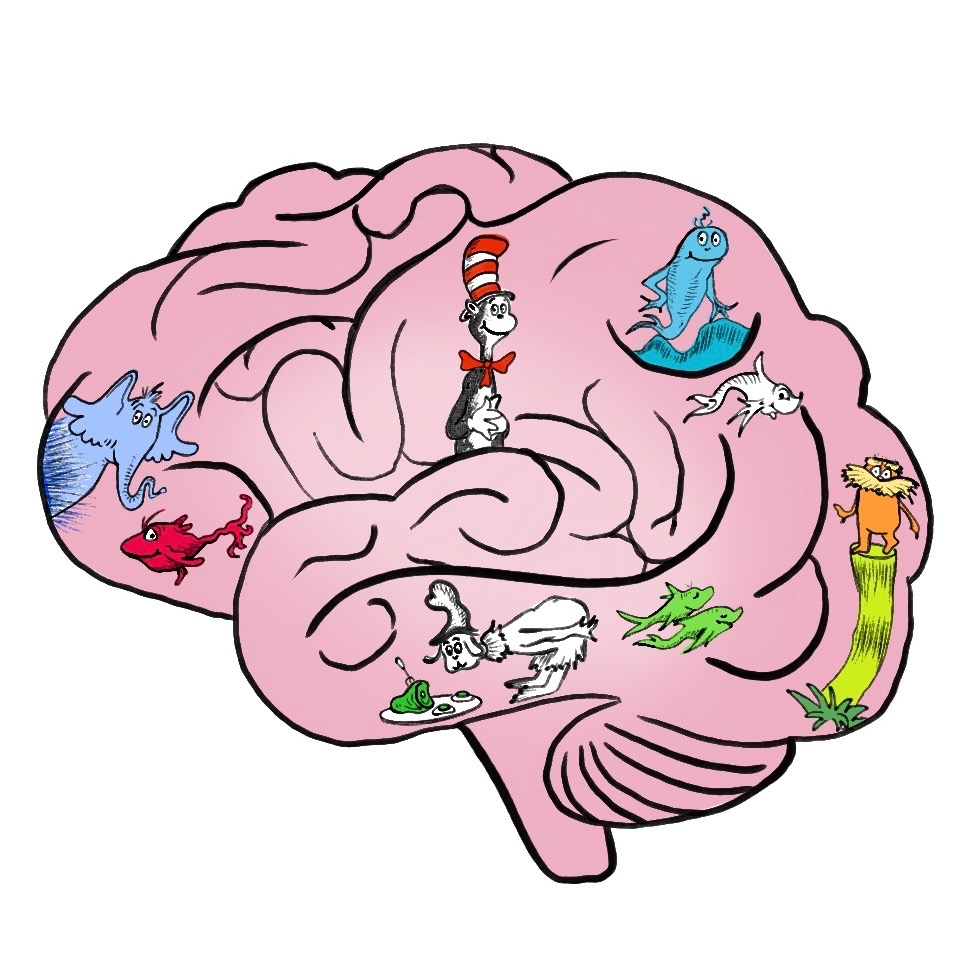
According to Marco, the effects of sleep deprivation on your body go far beyond feeling tired. “Studies suggest that the brain connections in the frontal lobes are less efficient in teens with sleep deprivation,” Marco said.
That means that the workload meant to boost academic performance may actually be making learning less efficient.
Research done by the Centers for Disease Control and Prevention on teen sleep patterns supports this idea. As academic pressure continues to increase, the average amount of sleep tends to go down, specifically among students taking multiple AP courses. A majority of teens fall short of the recommended eight to ten hours of sleep per night, especially during the school week.
“There were definitely days where I felt more irritable and less sharp after staying up late studying,” Centeno said. “I’ve realized it’s actually better to get good sleep than cram the night before a test.”
Over time, this creates a never-ending cycle, with more classes leading to more work, leading to less sleep, lowering focus levels and learning efficiency.
Marco clarified that occasional late nights do not have long-lasting effects, but consistent sleep deprivation can lead to more serious consequences. “One late-night session here and there with catch-up over the weekend is not a problem long-term, but a tired brain is not the best way to approach an exam,” she said.
Despite the research, students like Centeno feel like the tradeoff is worthwhile.
“Looking back, I do think it was worth it,” Centeno said. “It wasn’t too extreme, and I feel like I got everything I could out of high school academically, which I’m proud of.”
While the benefits of a challenging schedule are clear, the effects of sleep deprivation on focus, mental health, and brain development provides an important factor to consider.
As the enrollment of AP classes continues to increase, more and more students are beginning to focus not on how much they can possibly handle, but whether more rigor is truly helping them succeed in the long term.