According to a 2022 survey by Newsroom Heart, 95 percent of pet owners rely on dogs for stress relief, often causing dogs to become an outlet of support for people in times of need. During the COVID-19 pandemic, their love and companionship were key drivers for the over 3 percent increase in dog adoption rates nationwide.
In the years following, local shelters and organizations—such as Marin Humane based in Novato and The Milo Foundation in Point Richmond—reported higher adoption rates among all their animals, but specifically in dogs, compared to pre-COVID-19.
Keri Fennell, vice president of shelter operations at Marin Humane, was an employee at the shelter during COVID-19 and saw this change.
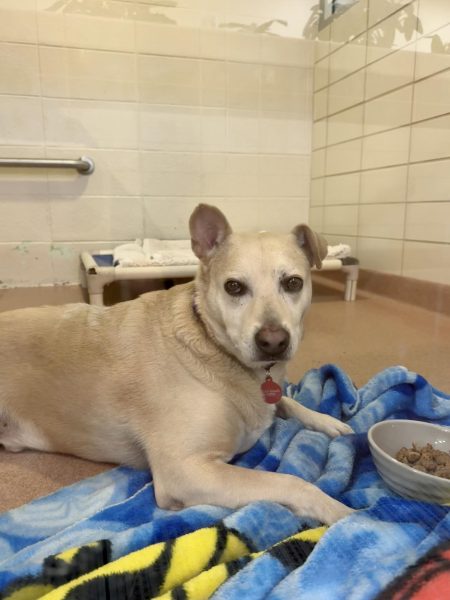
“What we found during COVID [was a large] amount of adoptions,” Fennell said. “We cleared our shelter out really quickly… People wanted animals so badly, it was crazy.”
During COVID-19, Marin Humane saw fewer dogs enter their shelter, but their demand remained high.
Dog adoption rates at Marin Humane rose 4.75 percent throughout the course of the COVID-19 pandemic.
Marin Humane’s intake numbers were sinking by over 50 percent during COVID-19. Compared to 2019, when they took in over 1,500 dogs, only 700 dogs were admitted during COVID-19.
“We found that people were not surrendering [their animals] at that time, so our intake was way lower. We were able to get a lot of animals adopted,” said Fennell.
Similar to Marin Humane, The Milo Foundation also saw a spike in the dog adoption rates during COVID-19, leaving their kennels sparse.
Dee Phillips, the head of business operations at The Milo Foundation, was not an employee at the organization during COVID-19, but knows the impact that rising adoption rates had on The Milo Foundation.
Phillips described that during COVID-19, families were looking for things to do, so they adopted dogs, contributing to the increase in dog adoption rates.
The Milo Foundation takes in dogs from high-kill shelters in the Central Valley. The high adoption rates during and since COVID-19 have allowed them to make more space in their shelter and save even more animals.
“Many of these dogs, if they weren’t adopted, would have probably been euthanized. So we’re really proud that we’re able to find [their] forever homes,” said Phillips.
Today, The Milo Foundation has a steady pace of adoptions, reflecting the continuous increase in adoption rates, Phillips said. In 2025, Milo had over 1,800 animals adopted, and in January of 2026 alone, there had been almost 200 adoptions.
Along with adoption rates rising, The Milo Foundation and Marin Humane have also experienced an increase in foster care. This means that one can temporarily house a dog, while the shelter keeps all legal rights to it and still tries to get it adopted. Fostering has allowed The Milo Foundation to create more space in their sanctuary for stray, surrendered or kill-listed dogs.
 “We’re very limited in space, and when people sign up to foster, it helps the rescue community altogether,” said Phillips.
Fennell presumes that this increase was due to people being home all day. COVID-19 provided the perfect opportunity for people and their families to foster without the long-term responsibility of permanent adoption. But since quarantine and isolation have ended, The Milo Foundation has also seen a huge influx in the number of dogs surrendered to their organization. According to The Milo Foundation animal reports, the number of dogs surrendered since 2020 has risen 26.17 percent.
“Sometimes we walk in in the morning and there are dogs in our yard,” said Phillips.
According to Phillips, the reasons for these surrenders range from the dog becoming too expensive or too time consuming to owners having children and no longer wanting a pet.
Milo tries its best to accommodate these surrendered animals by either taking them in or transferring them to another shelter.
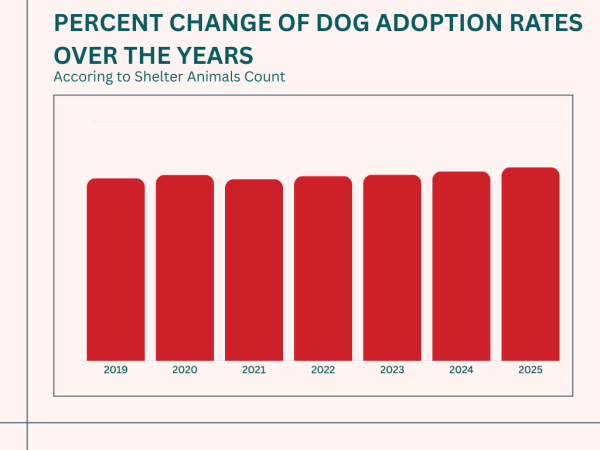
According to the National Animal Welfare Statistics, across the nation, adoption rates have risen from 53 percent in 2019 to 56 percent in 2025. Although this number might seem small, it is a significant nationwide growth of dog adoption rates that has allowed local organizations like The Milo Foundation and Marin Humane to take in more dogs from high-kill shelters.