Thoughts. We all have them. Whether expressed verbally or not, it is safe to assume that every human being has had an “I wonder” moment in their life. A moment when we question how things work and who knows the answer eventually becomes a hyperfixation that you can’t seem to find the answer to. As a continuation of former Editor-in-Chief Colette Boyden’s article, which responds to six “I wonder” questions, here are more answers to save you from the headache of the unknown.
Why do our bones pop?
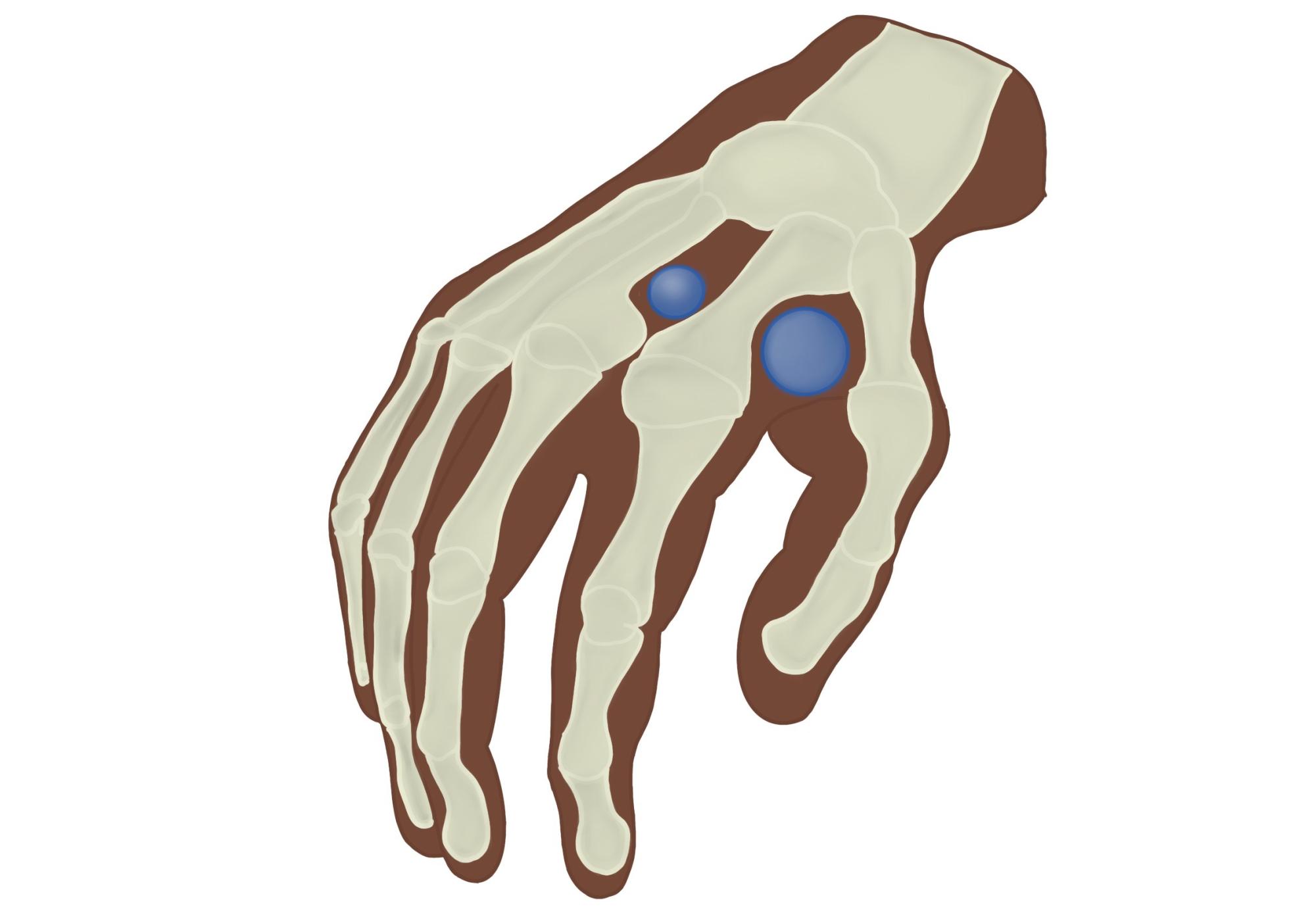
I don’t know about you, but “cracking” or “popping” your bones is one of the most satisfying feelings and sounds. It feels refreshing to have this form of relief, which makes me wonder why it occurs and if it actually causes arthritis, as some people claim. Whether this myth is true or not is something physiology teacher Jamie Garcia has informed her students.
“There is air dissolved in synovial fluid [in your joints,] and when you move your bones and joints, some of it creates a pressure change and the air moves from the area of high pressure to low pressure. I show my Physiology students a video that says it is a myth that it causes any arthritis. It’s just something people do,” Garcia said.
Now that we know cracking your bones won’t harm your joint health, we can still crack our knuckles as loudly as we want!
Is there actually a gut feeling?
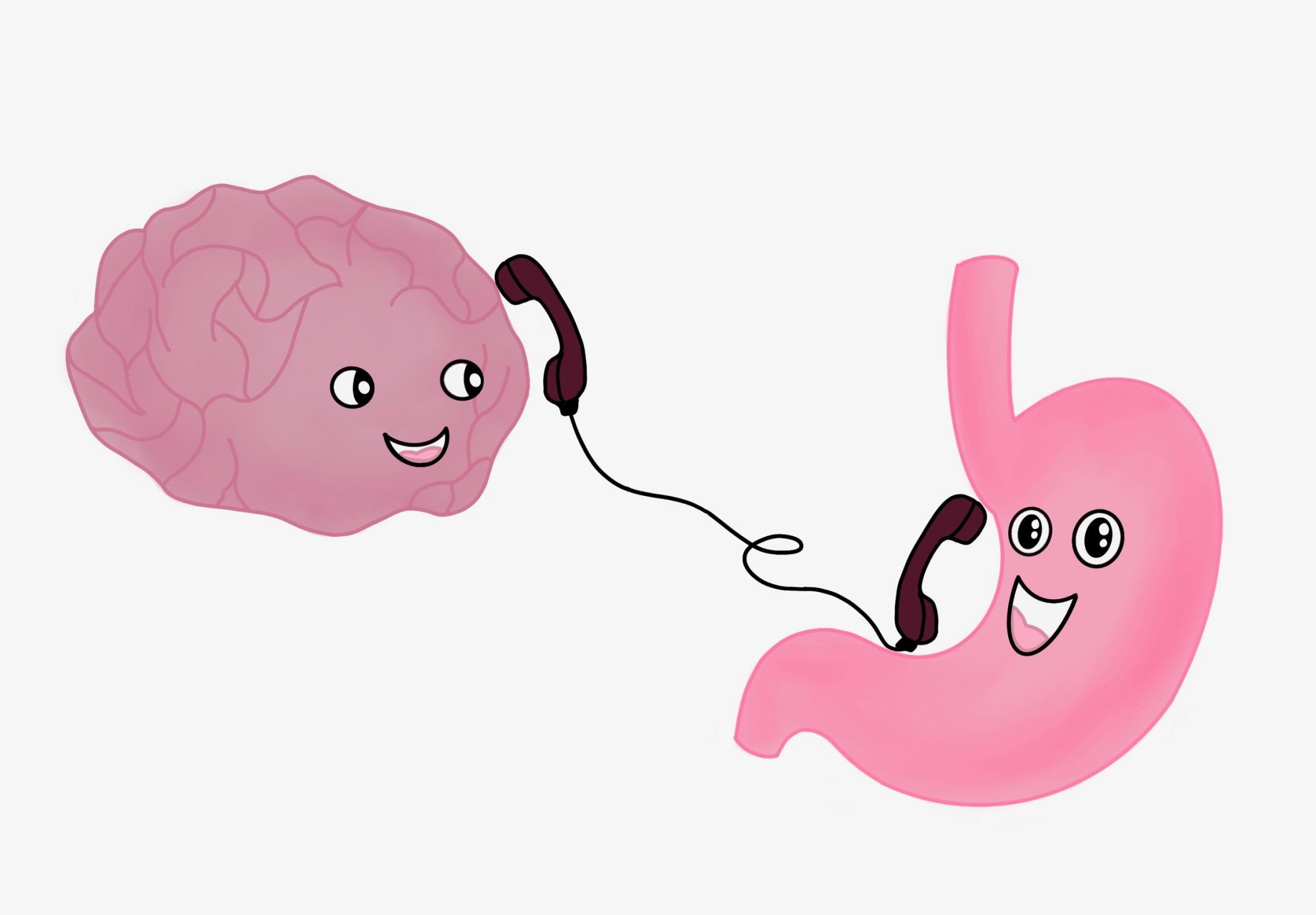
The gut — otherwise known as the gastrointestinal (GI) tract — is crucial to the human body’s digestive system. It is also referred to as the “second brain,” as it helps decipher your mood and make decisions. Your gut is a major part of the overall health of the human body, yet it is sometimes mistaken for being the answer to most undecided decisions through the notorious “follow your gut” slogan. Psychology teacher Jonathan Hirsch reflects on this phenomenon: whether your gut actually gives you the correct answer to life’s big decisions.
[A gut feeling] is one of the biggest misconceptions because it assumes that there’s this kind of magical, unconscious part of our mind that is capable of guiding us in unfailingly positive directions. It could be overthinking or underthinking,” Hirsch said. “A lot of times, when people say, ‘I’m going with my gut,’ it’s kind of like saying, ‘I don’t want to think about this anymore in the conscious sense.’”
Hirsch addresses the hard truth that having a gut feeling is, in fact, a myth, and how we think and feel about daily experiences is much more complicated than that.
“Our feelings and our gut are a combination of all kinds of layered experiences that have been filtered heavily by our emotions and how we feel about experiences. I know no one wants to hear this, but as far as we know, it’s a random neurological mishmash,” Hirsch said.
So no, your gut will not lead you to the correct answer on your math test, but here are some signs that you may have an unhealthy gut:
- Fatigue
- Bloating
- Mood swings
- Migraines
- Abnormal Pain
- Cognitive Function
Why does our stomach gurgle? Is it actually because we are hungry?
A stomach gurgle can either be an embarrassing moment during a silent math test or an indicator that maybe skipping lunch wasn’t the best idea. Overall, this feeling is definitely not a fan favorite. However, why do our stomachs gurgle and does this really mean it’s time for lunch?
According to Harvard Health Publishing’s “Ever wonder why” article, “We usually assume [stomach gurgling] reflects hunger. And the experience of hunger can indeed make itself heard in anticipation of a meal. But your stomach may also growl after a meal, when the stomach and intestines propel liquids and food through the digestive tract. Stress can also trigger stomach rumbling. It may be due to gas moving around in response to muscular contractions of the intestinal walls.”
So, yes, it is helpful to have a snack on hand when the monster in your stomach starts to rumble, but it is also important to note the causes that you may be unaware of and that hunger is not always the answer.
Why do we say “bless you” when someone sneezes?
If you were in a room full of people and someone happened to sneeze, would you say “bless you?” Why would you make sure this person received a response from this arm-raising, body-jerking, unusual noise that came out of their body? And if someone did say “bless you” after you sneezed, would you say thank you? What entitled you to thank someone for responding to your loud, sometimes snot-filled sneeze?
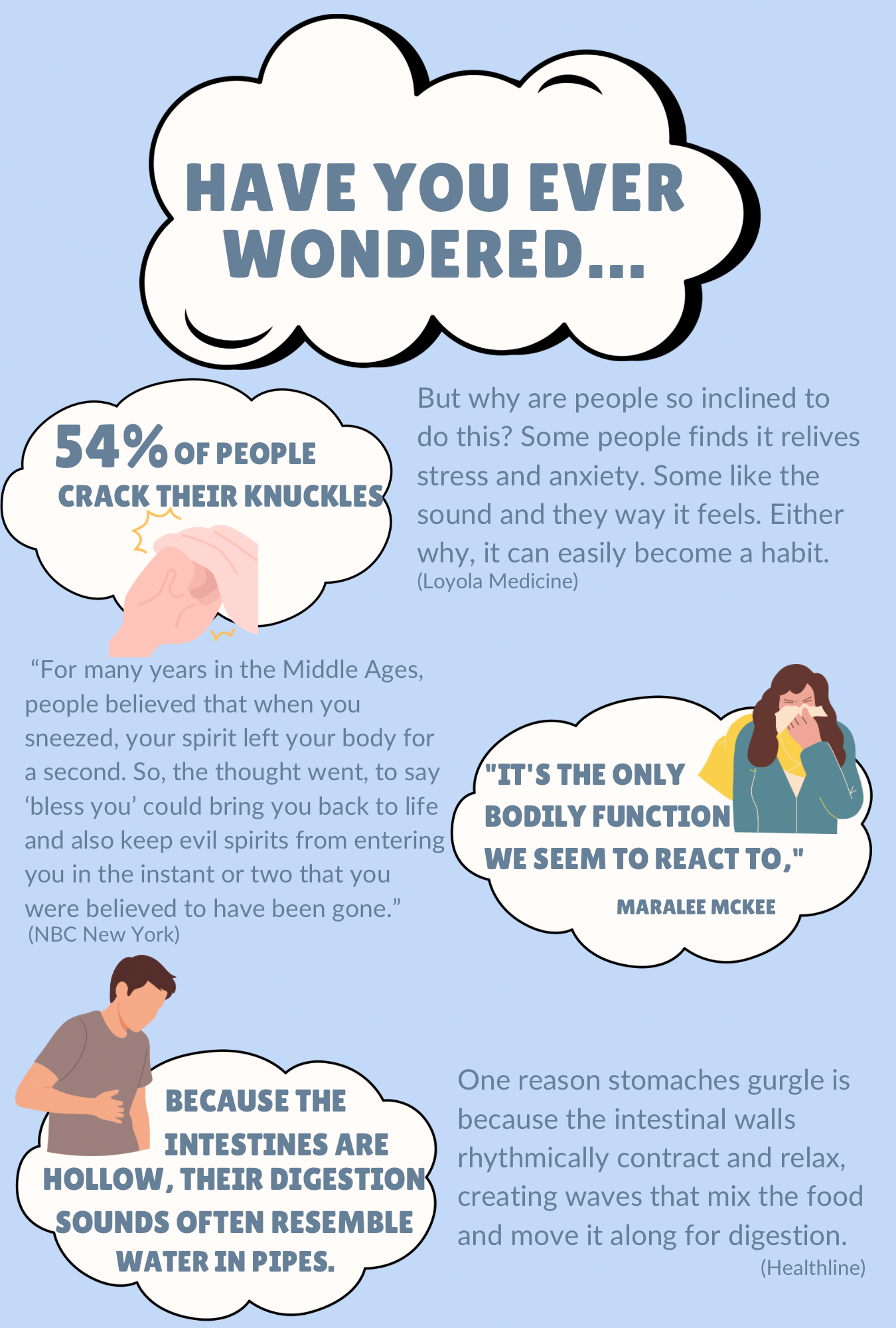
This unconscious response goes back centuries. According to NBC New York, “For many years in the Middle Ages, people believed that when you sneezed, your spirit left your body for a second. So, the thought went, to say ‘bless you’ could bring you back to life and also keep evil spirits from entering you in the instant or two that you were believed to have been gone.”
Along with this, the notion that your heart skips a beat when you sneeze is, in fact, false. According to bonsecours.com, “[Sneezing] doesn’t stop the heart from beating. Many think that your heart beats at a fixed rate, but this is also not true. So while it may seem like you feel your heart skip a beat when you sneeze, it would have to stop for at least three seconds before a sneeze would be considered “heart-stopping” – something a sneeze is not capable of producing.”
So, the next time someone sneezes in an elevator or during an exam, tell them “bless you,” because you never know if an evil spirit will catch you the next time a tingling sensation arises in your own nose. And especially to avoid a bizarre, awkward moment of silence between the two of you.
What will happen to the human body in space?
It is common knowledge that in space, an oxygen tank is required to survive. Yet, what would happen if the human body were placed in the middle of space with nothing on it? Physics in the Universe teacher Kristi Perani examines what will happen to the human body when left in space and the immediate effects that will occur.
“The water in your eyes would immediately evaporate and boil. Your blood would start to boil because you don’t have pressure on it, and you would probably start to expand because [humans] are used to having pressure on [our skin]. You would also freeze to death right away,” Perani said.
The answer to this question is quite grueling, yet it helps us understand how space affects the human body.
Now that we have covered only a few “I wonder” questions, I hope this helps you analyze how the world works and why, sometimes questioning the small things can lead us to new truths. Maybe you can even surprise people by bringing up why our stomachs gurgle as your next conversation starter.