On April 3, 2026, the Trump administration revealed its budget proposal for the 2027 fiscal year, which included the cut of over $736 million in funding from the National Park Service (NPS). If the proposal goes through, this will be the second major cut to NPS the president has made since he entered office last year, when he cut a record $1 billion from the agency’s budget. This drop in funding has led the agency to terminate 25 percent of its workforce.

In addition to these direct terminations, Bill Wade, the executive director of the Association of National Park Rangers, has observed the workforce being cut through other means.
“There has been another incentivized resignation that was supposedly finished up in April that encouraged particularly people in the central offices, biologists, archeologists, historians, engineers, architects, those kinds of people that spent a lot of their time supporting parks [to resign],” Wade said.
Incentivized resignations, also known as “buyouts,” are arrangements in which staff voluntarily resign from their positions in exchange for an agreed-upon compensation. The NPS has consistently utilized these “buyouts” to cut its spending without involuntarily terminating employees, which can create conflict and lower workplace morale.
Wade predicts that these buyouts will exacerbate the decline in staff numbers seen after Trump’s initial cuts.
“There’s a number of [park workers] that we know that went out in April, but we’ve not heard how many, some estimates would take that 25 percent reduction of permanent work staff now up to 33 or 34 percent,” Wade said.
While these cuts are significant, members of the Trump Administration, like newly inaugurated Secretary of the
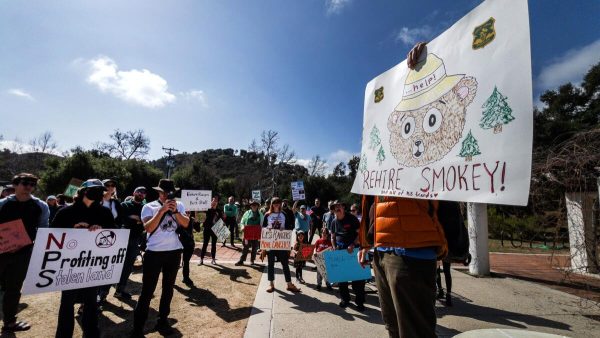
(Los Angeles Times)
Interior Doug Burgum, argue that visitors’ experiences will remain unchanged. Wade believes that this is due to permanent workers being temporarily replaced.
“The reason that [Burgum] can make that statement is that he’s authorizing parks to hire a significant number of temporary or seasonal employees during this coming summer,” Wade said.
While visitors may not see an initial shift, the central offices of national parks are being reshaped behind the scenes. Specialized inward-facing roles like historians, climatologists, and biologists see greater cuts than general, outward-facing positions like rangers or hospitality workers. Wade believes that the impacts of this will make themselves clear in the long term.
“If the people doing those research projects are lost, then the research comes to a halt,” Wade said. “And so in the long run, maybe years or decades down the road, I think that’s going to have a serious impact on the ability of park managers to manage their resources, because they relied on the data that was coming from those studies to make management decisions about how to manage the resources, both historical and natural.”
Marin County park ranger Matt Cerkel believes that despite initially staying behind the scenes, the impacts of this lack of research will make themselves clear to park visitors down the line.
“There’s going to be more impacts on the resources those parks manage, be it cultural or natural, the visitors will eventually see those impacts, because you can’t hide that stuff forever,” Cerkel said.
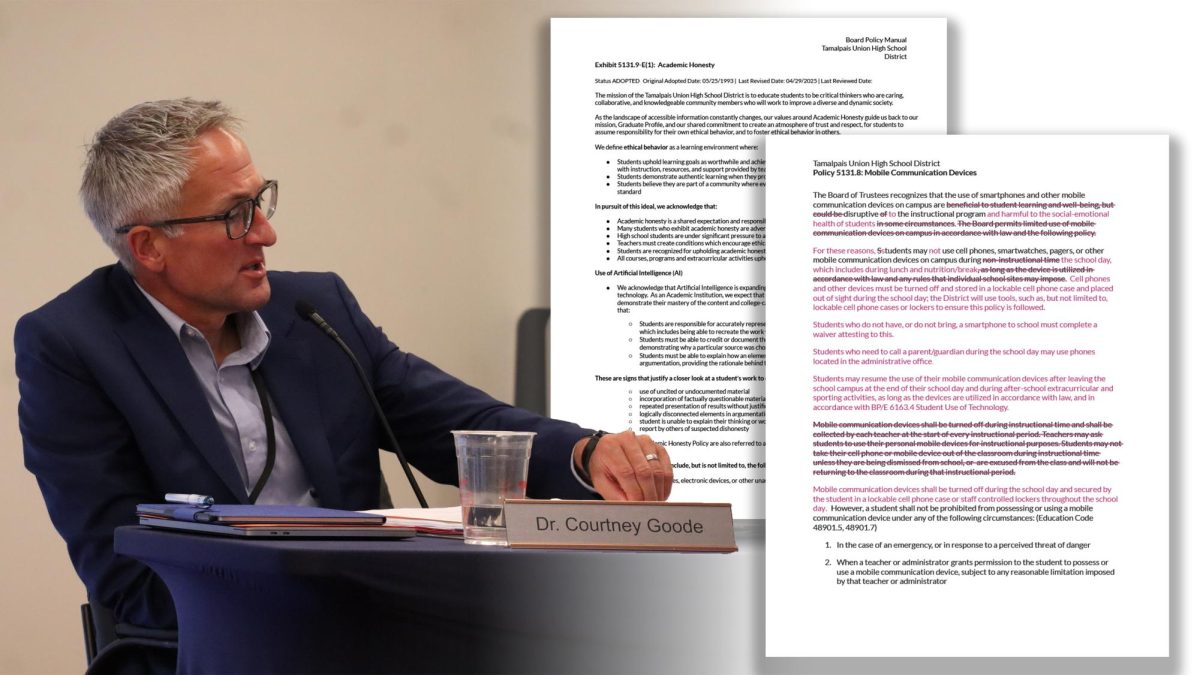
![Assistant Superintendent of Business and Operations Corbett Elsen presented an updated budget proposal for the 2026-27 fiscal year to the Tamalpais Union High School District (TUHSD) board of trustees on Tuesday, June 16.
Elsen presented an in-depth analysis of the district’s revenues, expenditures, future outlooks and the global and economic uncertainties affecting the district's revenue due to inflation and the war in Iran.
Because TUHSD is a basic-aid district, Elsen explained the significance of the housing market, stressing the gravity of the district’s financial situation as a result of lower demand.
“This is the bread and butter of our revenue: property tax revenues, [projected] to bring in over $93 million,” Elsen said, adding, “But ... we have decreased our revenue growth rate [projections].”
Elsen will return to the board of trustees on June 23, where the board will take formal action to adopt the proposed budget. To learn more about the updated budget proposal from the meeting, visit the June 16 TUHSD Gamut Online agenda.](https://redwoodbark.org/wp-content/uploads/2026/06/snapshot-1200x675.png)