On March 26th, 2026, Bridge the Gap College Prep hosted its annual gala, Bridging the Odds, where it celebrated more than 30 years of supporting over 3,000 students. All the gala’s proceeds will go towards expanding Bridge the Gaps’ support towards more schools, like Redwood.
Bridge the Gap is a Marin-based college preparatory program that supports underserved students. The program offers comprehensive educational, social and emotional support when navigating high school, college and post-graduation careers.
Pastor Fred Small, Bob Hunter and Dennis Brusseau founded Bridge the Gap in 1995 as a tutoring program for Marin City youth. Their goal is to change lives and communities through education. Currently, Lisa Raffel is the executive director of Bridge the Gap, with over 30 years of experience in a variety of educational settings. Raffel has been leading the organization since June of 2020, and she continues to navigate Bridge the Gap through their mission of providing students with an equal education.
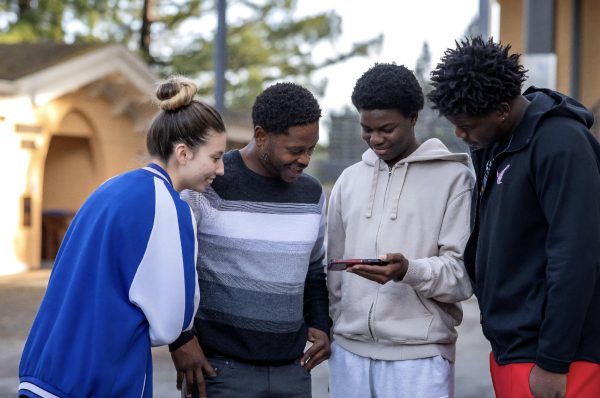
“Bridge the Gap was founded to try and make a difference by providing students with academic support, financial support and mental support by working with schools to have the outcomes [of students’ lives] be more equitable. How you are doing in school makes a big difference,” Raffel said. “People like to say talent is evenly distributed, but opportunity is not.”
Redwood Senior and former Bridge the Gap volunteer Hadley Mortimer has been involved with the program since her junior year. Mortimer went to Dr. Martin Luther King, Jr. Academy on Thursdays after school to assist students with academic tutoring, along with engaging games.
“Bridge the Gap helps low-income students, especially in Marin City. It is a very beneficial part of the community, as it provides students with resources they may not have access to on their own,” Mortimer said.
Bridge the Gap has a wide range of highly trained staff, one of them being Redwood alumni Rondell Gibson, the director of high school success at Bridge the Gap. He felt inspired to be able to help his own community, which influenced him to join Bridge the Gap.
“Bridge the Gap supports a lot of first-generation students,” Gibson said. “The organization started in Marin City, where I was born and raised, so it just made sense to go back and serve my community.”
Gibson, along with other Bridge the Gap staff, works at Redwood to provide on-site support for students.
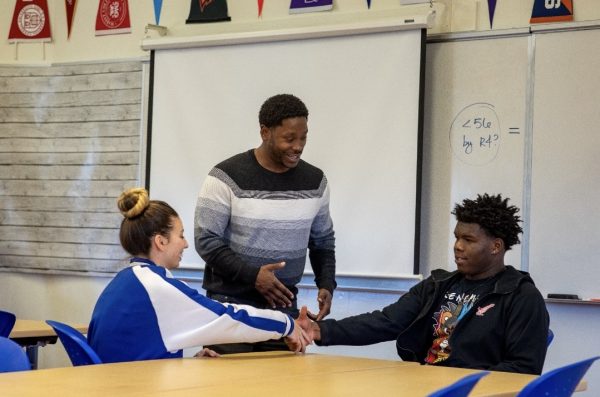
“We are there once a week to support students and to help them figure out what they need to do to make up a grade or assignment, talk to a teacher, just sit there to be heard or look at an enrichment opportunity,” Gibson said.
This work during school hours sets the organization apart from other after-school programs.
“Instead of trying to meet with kids after school, when there may have already been moments during the day where they didn’t feel seen or successful, we want to help students get the most out of every class period,” Raffel said. “Being there during the school day allows us to intervene earlier and help students stay engaged.”
Raffel explains that one of the main challenges underserved students face is a lack of information and resources. Additionally, students who come from low-income families may be unfamiliar with the college application process, career paths, and financial aid. Families also may be unable to provide support through private counseling and tutoring, giving students a disadvantage. Bridge the Gap helps fill that gap in information.
“There’s a lot of social and cultural capital that comes with privilege,” Raffel said. “Understanding how the college application system works, knowing who to ask for help and having access to enrichment opportunities all impact student outcomes.”
Bridge the Gap offers a variety of different resources when it comes to college and career paths. These include academic tutoring, college tours, college application assistance, SAT and ACT prep, career enrichment opportunities, general support and mentoring, college scholarships and more.
Raffel points out how a person can benefit from having a college degree when applying for jobs and preparing for the future.
“Research shows that a college degree can lead to a more stable job and a job with retirement, which then also contributes to the wealth of that family,” Raffel said.
However, Bridge the Gap also puts an emphasis on the fact that students in the program are open to all career paths, whether it’s a four-year university or a full-time job with scholarship opportunities.
“We also offer our scholarship to students who fully matriculate through our program, and we go to something that is a postsecondary opportunity, whether it be a four-year institution, community college or a trade school,” Raffel said.
Bridge the Gap is currently working to get fully funded at Redwood, which would allow the program’s staff members to work on campus every day of the week, further supporting the needs of every individual student.
“We are not determined that every student in our program goes to college,” Raffel said. “We’re determined that every student has a pathway that they feel good about and that they have been set up to take those steps.”