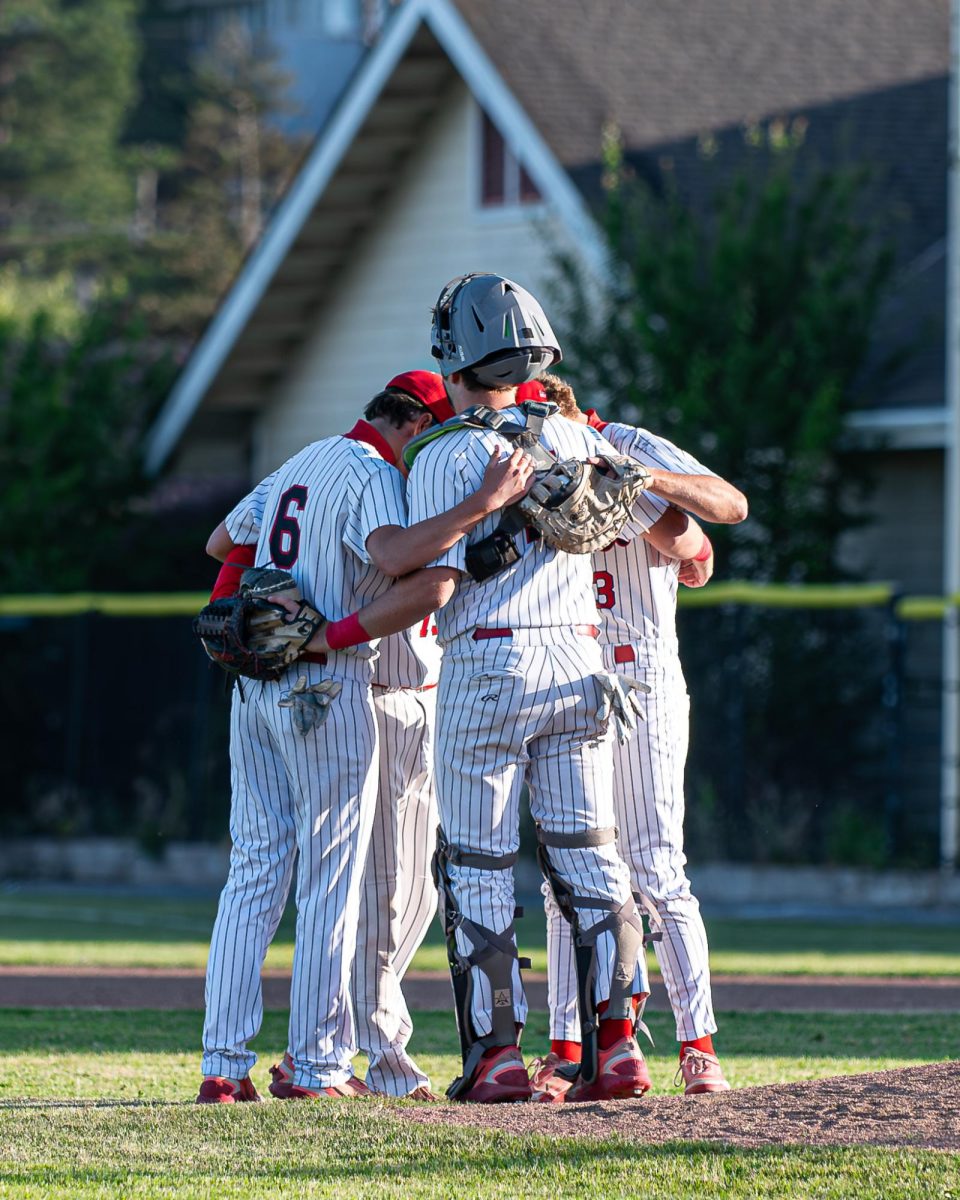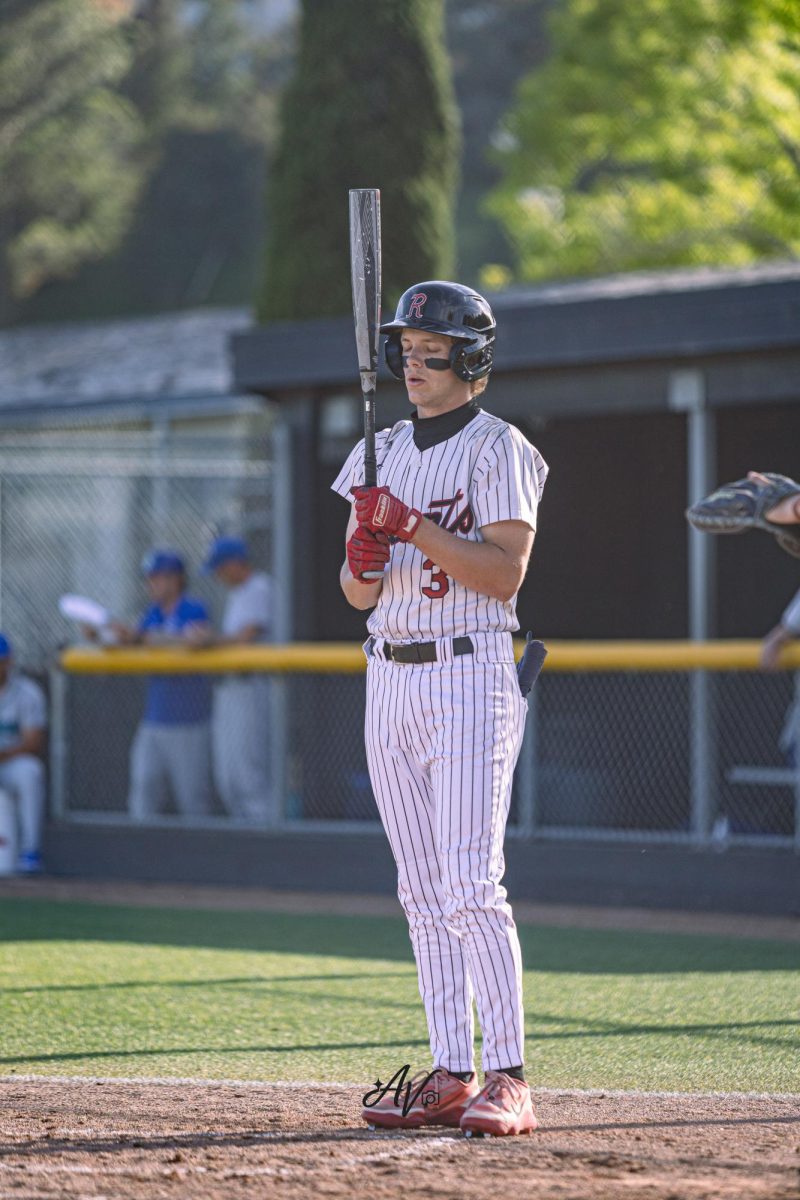

Many student athletes join a team for one reason: the love of the game. But the second they step onto the field, court or track — everything changes. They go from worrying that they won’t know anybody, won’t make the team or that the coach will watch their every move, to instant gratitude they took that risk.
“[Trying out freshman year] I was really scared… I remember being terrified of the upperclassmen, [but] actually [some] who just graduated [had become] my really close friends, kind of like older sisters to me,” junior and third-year varsity soccer athlete, Evie Dickerson said.
What starts as a decision driven by passion often turns into meaningful friendships that ordinary school settings just can’t offer.
In a classroom, people often sit next to each other, but only some form a genuine connection. In sports, teammates witness one another at their best and at their worst. They celebrate wins together, help make the losses better and motivate one another before competition. It is one

thing to be class friends with someone; it’s another to spend hours doing drills together, play until sunset and even travel together as a team.

According to a November Bark survey, 76 percent of students said that joining a sports team helped them make friends in other grades.
Watching others go from strangers to teammates to someone you genuinely care about shifts the team relationships to an entirely different level. For example, when seniors leave the team, it is obvious how much others value their contributions. And especially having captains, coaches and additional people who occasionally step in to coach is something to be grateful for.
Whether you’re having small talk in the locker room or celebrating a victory, sports teams create strong friendships fueled by momentum, celebration and hard work. This demand creates the perfect environment for genuine friendships, making teams a great place to accomplish goals and create memories that last a lifetime.

For fall sports, students often walk into school with a set group of friends. For winter sports, it might create a distraction from stormy days and finals. And for spring sports, they get an escape from the long stretch of months with no break from school. By joining a sports team, athletes get a break from school to do something they love.

Besides all of these benefits, one of the biggest hesitations when it comes to trying out is that people think they won’t make the team and find alternatives that don’t put their feelings at risk. Even though they like the sport, they choose something they know they will make because there is less risk. However, by pushing themselves to try their hardest and compete with players of different ages and backgrounds, students are more likely to learn something new and make memories.
If students don’t try out, they will never make it. But if they do, the worst thing that could happen is that they don’t make it, and the best thing that could happen is that they could!
So take risks, count your wins and push forward. Because this attitude fosters the best friendships and the best version of themselves and that’s something that carries on and off the field.