A Pew Research survey from March 2025 found that one-third of U.S. adults report regularly seeing rude behavior in public. But what actually counts as rude behavior and how intentional is it? From students to service workers, moments of disrespect can feel common; yet in many cases, they may not be deliberate. Understanding why these interactions happen can help make everyday interactions less stressful for everyone involved.
There are heavy generational differences when it comes to rude behavior, influenced not only by how people interpret body language and verbal phrases but also by varying levels of self-importance. For example, what older adults view as inconsiderate, teens may see as normal, and vice versa. A statistic from Pew Research (March 2025) states that 89 percent of adults 65 and older believe it is rarely or never acceptable to curse out loud in public, but only 38 percent of adults under 30 agree. These differences in perception play out in daily encounters, often in the service industry, where older customers may treat younger staff with less patience than they show adult employees.
Senior Milo Silverio, an employee at Tony Tutto’s Pizza, has seen this generational dynamic in action firsthand.
“Some customers assume teenagers aren’t capable [of doing their job], so they can be ruder to teens than to adults,” Silverio said.
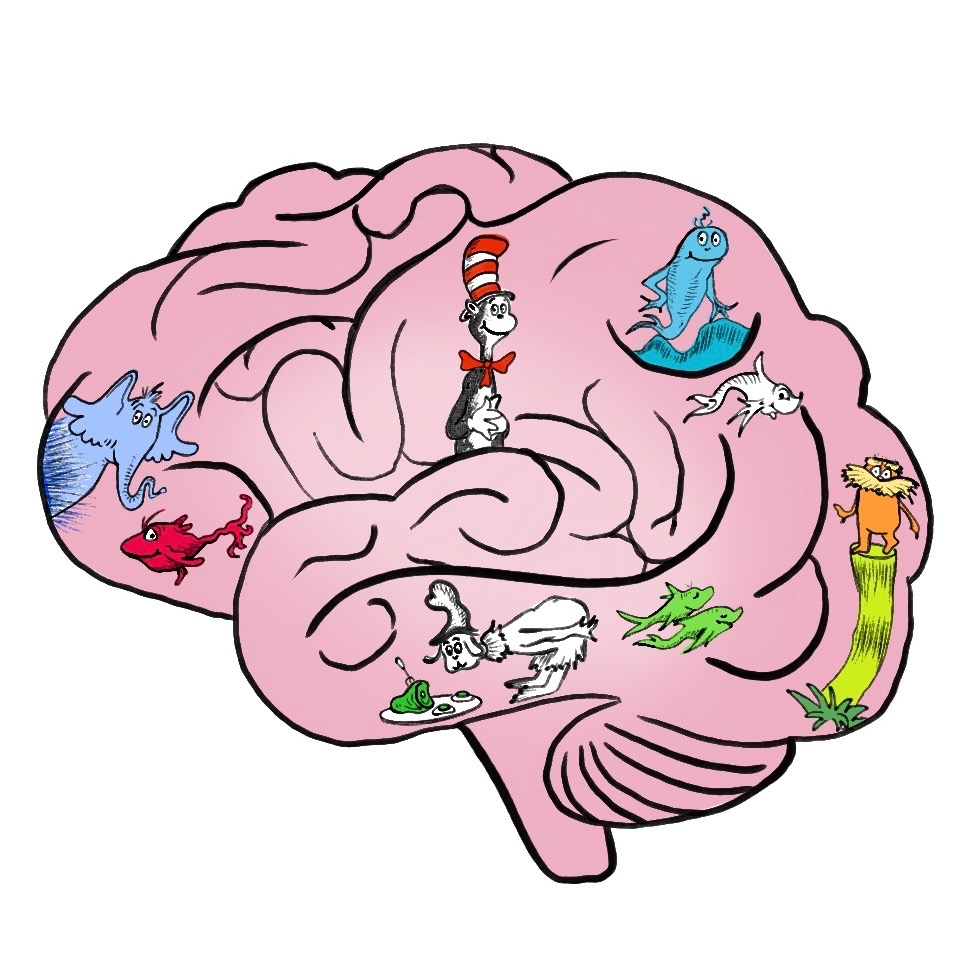
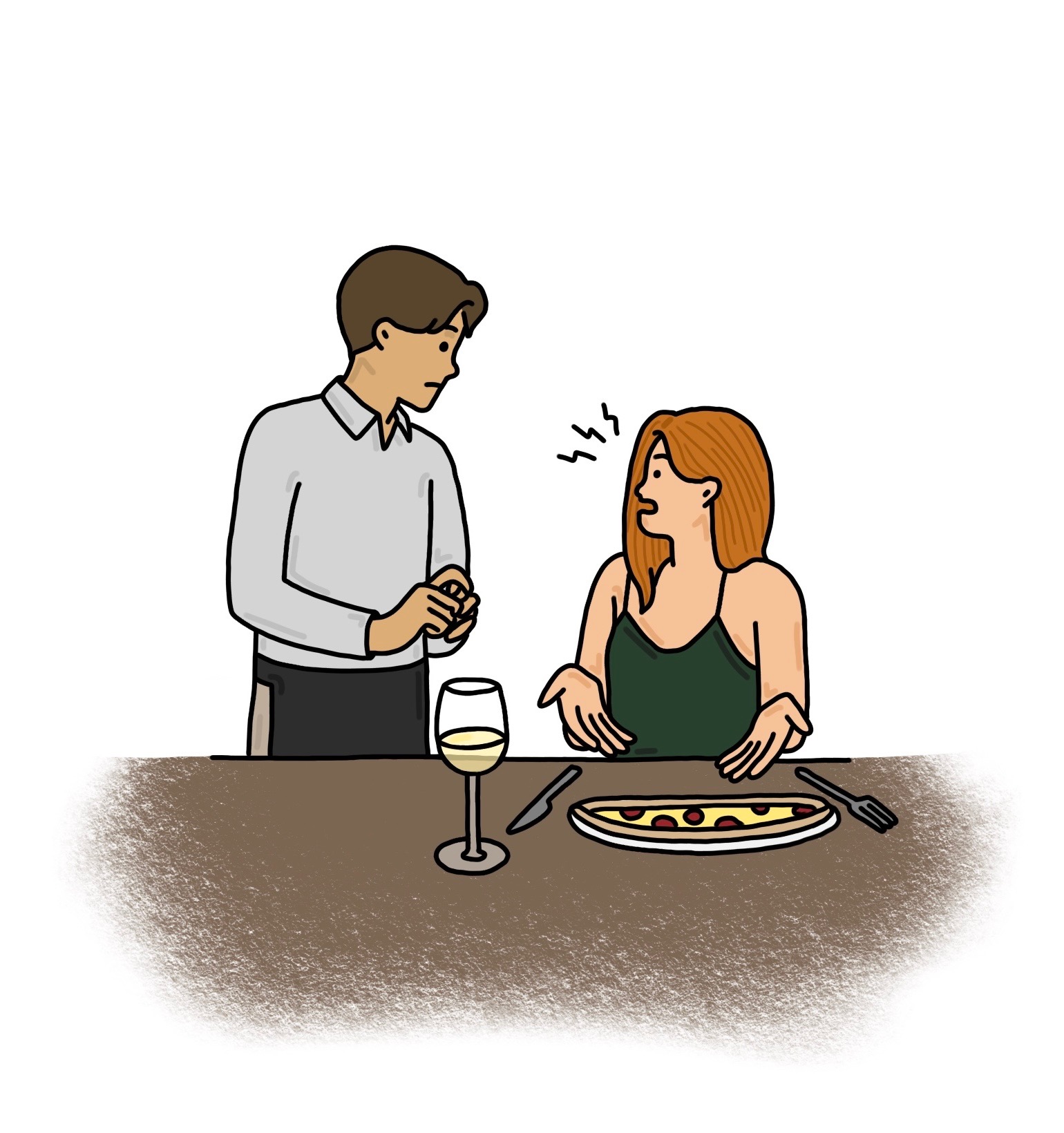 Illustration by Olivia Hamm
Moments like these hint at a deeper truth: rude behavior isn’t random. A 2020 study by the National Library of Medicine found that people who feel a sense of entitlement have lower compliance with public health guidelines. This correlation suggests that rudeness and disregard for general well-being are connected to how individuals prioritize themselves, and are not merely spur-of-the-moment irritations.
In his work, Silverio has noticed patterns in customer behavior, such as entitlement.
“A lot of people think they’re supposed to be given something as soon as they walk [into a restaurant]. They feel like they have some predetermined claim to what they deserve,” Silverio said.
With a similar sentiment to Silverio, senior Saki Beattie, who works at Urban Outfitters, frequently encounters young customers who seem to be unaware of the impact of their actions.
“The most common type [of rude behavior] that I’ve seen [at work] is people throwing clothes on the floor right in front of me, and I really don’t like that,” Beattie said. “It is a part of my job to pick them up, but I also think that it’s not too difficult to at least just put [the clothes] on a table.”
Beattie’s experience raises the question of the intention behind customers’ rude behavior. Customers might not be aware of how their actions affect people, especially if they are distracted. Principal Dr. Barnaby Payne notes that when he sees student behavior that could be perceived as rude, it usually comes from distraction rather than intentional disrespect.
“It’s almost like the student is in their own world. There’s something on their mind when they’re not showing awareness of their impact on others or what’s happening around them,” Payne said.
Per Payne’s observation, a student might loiter in the hallway, space out in the classroom, bump into others, talk loudly or daydream in class, missing social cues and unintentionally coming off as rude. Like anyone, when students face heavy stress, they may act rudely without realizing it. This same stress can make it hard for people to stay present in their environment and be self-aware.
“There’s just a lot of stress and pressure on young people that keeps them in their own head,” Payne said.
Despite people’s best efforts, even small lapses in consideration can affect those around them. For workers juggling multiple customers, rude actions can slow service and add stress, impacting both staff and clients waiting for service.
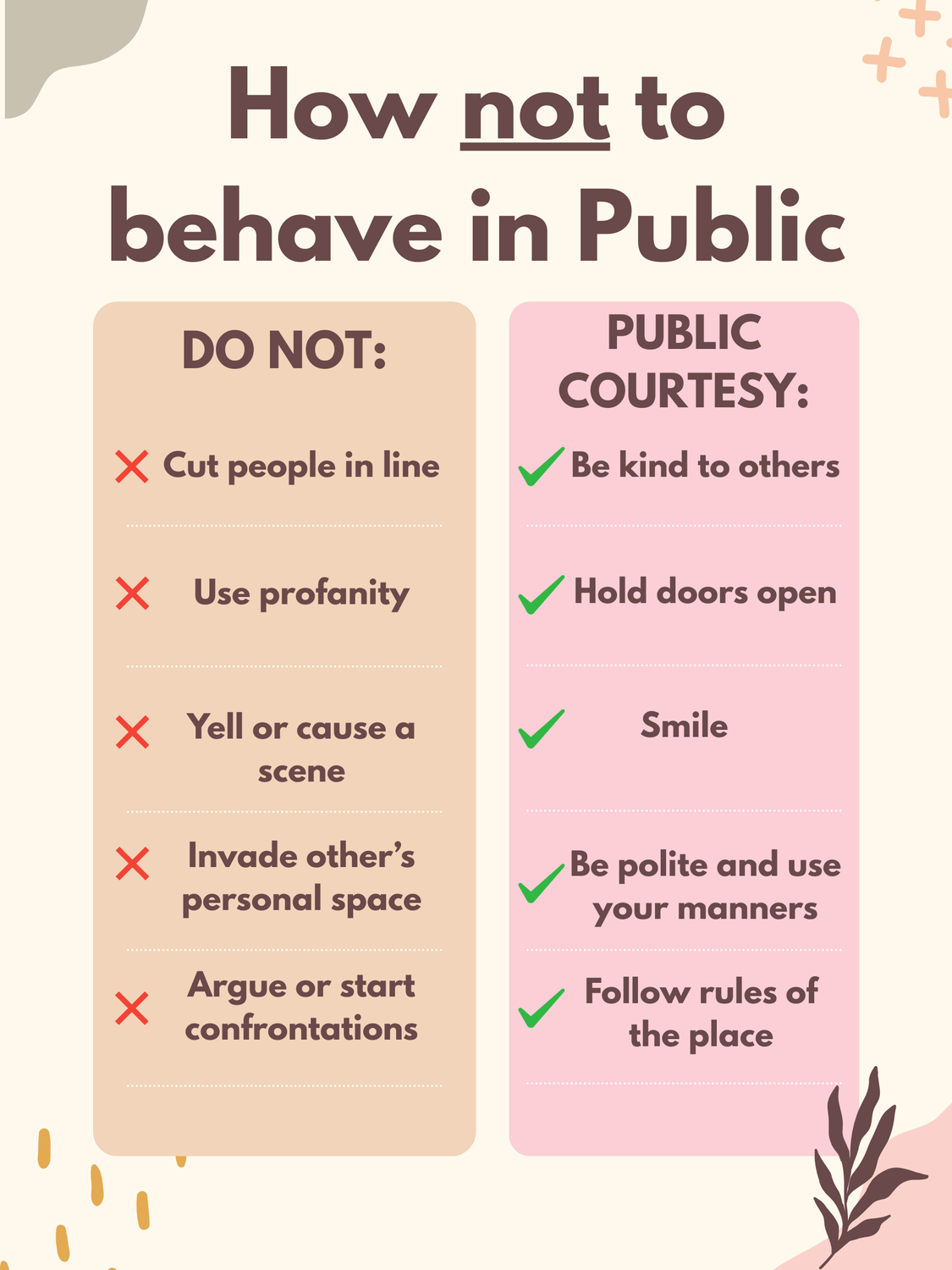
Showing different types of rude behavior, 44 percent of students believe cutting in line or ignoring public space constitutes rude behavior, while 35 percent consider using profane language or yelling loudly to be rude, according to a November 2025 Bark survey. For some, these actions violate social expectations and can increase stress. Furthermore, these behaviors show how ingrained rude behavior has become. Instead of coming up in isolated instances, rude behavior may be shaping the culture of everyday interactions.
Infographic by Zoe Peters.
Both physical and verbal language can shape how people perceive public behavior. In fact, a Carnegie Mellon University study found that even small rude interactions hurt employees’ ability to make clear, critical decisions, which underlines the potentially consequential effects of what can feel like minor actions. According to the study, “exposure to rude behavior makes people more likely to narrow their perspectives on their own personal experience.” This indicates that repeated exposure to rude behavior may influence how people interpret the actions of others.
Beyond causing personal stress, rude interactions can affect the mood and behavior of an entire community. Offering a broader social perspective, Payne tries to remember in his own life that small interactions, even unintentional ones, can have a ripple effect on those around them.
“If you’re rude to someone, that puts them in a bad mood and they’re rude to the next person,” Payne said. “Being a part of a community obligates everyone to be conscientious of how they treat each other and the impact [their actions] have.”