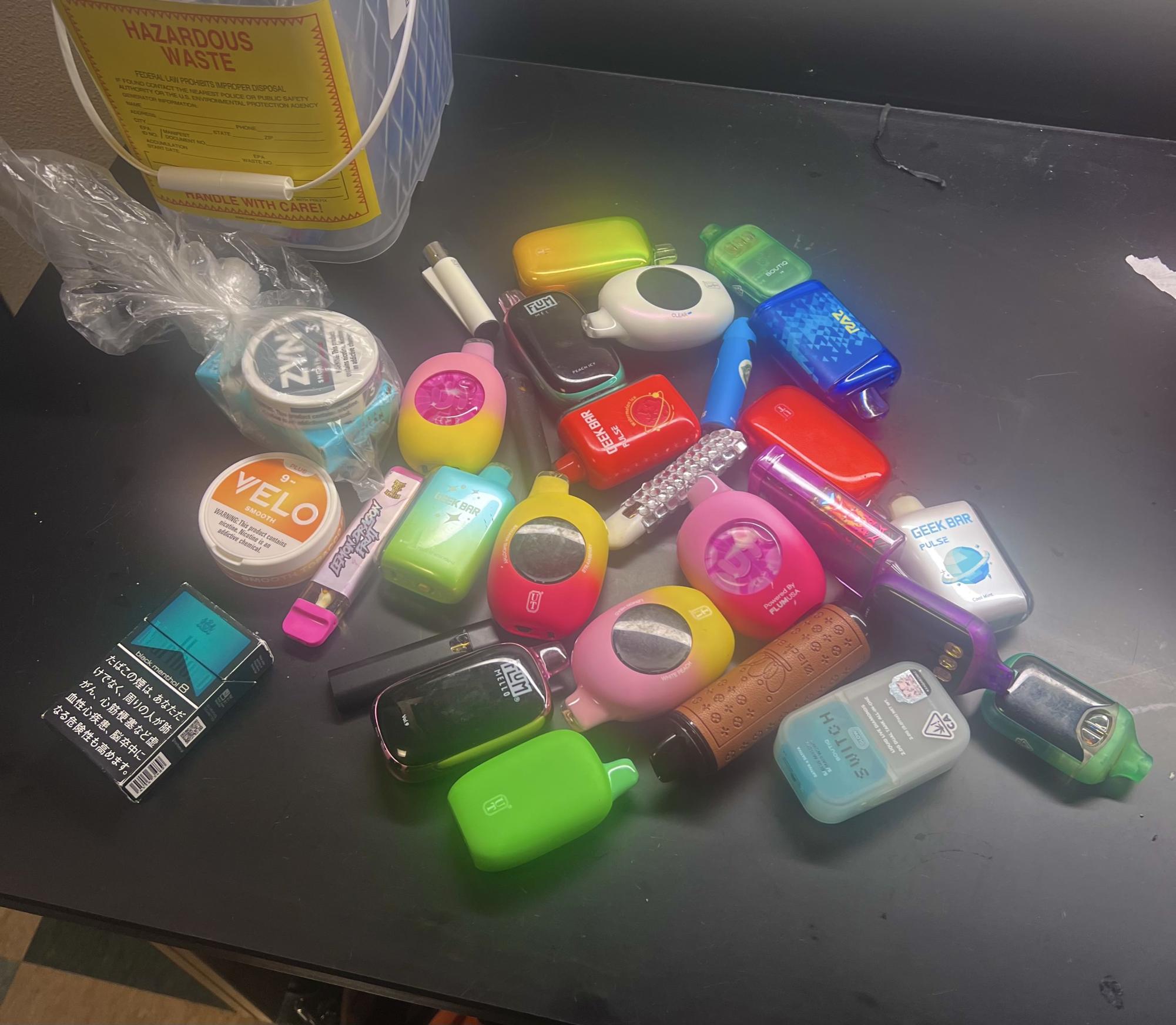
Vapes once dominated conversations about teen nicotine use. Now, a small white pouch tucked discreetly under a lip is quickly gaining traction, even as vaping rates decline.
Vaping has been a visible presence on Redwood’s campus since 2017, when Juul devices surged in popularity among teens. Years before that, traditional cigarettes dominated teen nicotine use. Now, flavored nicotine pouches like Zyn and Velo have become the latest trend among students consuming nicotine.
Many students see these pouches as a “safer” option. An anonymous Redwood sophomore, who will be referred to as “Gerald” for the remainder of this article, is one of the students who leans towards Zyns when looking for nicotine.
“It seemed like a better alternative to other bad habits I had, like smoking,” Gerald said. “I thought maybe using them lightly would help me stop smoking.”
Although pouches are often marketed as a “safer” alternative, Tobacco Use Prevention Education (TUPE) advisor Jonathan Hirsch noted that any consumption of nicotine damages health.
“Regardless of the form, nicotine causes neurological and vascular damage,” Hirsch said.
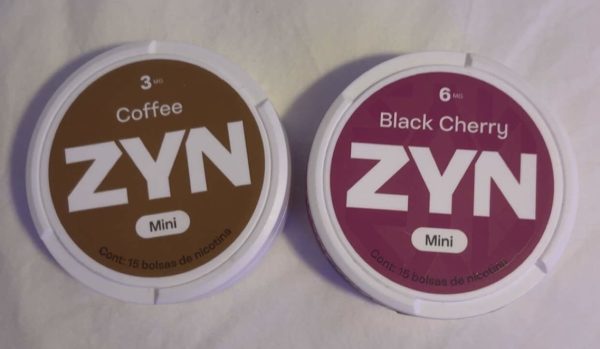
Nicotine pouches are no less addictive than vape devices. Their subtle, odorless design makes them easier to hide, allowing for more frequent use without drawing attention.
“At one point, I was using them a couple times a day, probably around 20 times a week. It made smoking a little easier to manage, but overall, I regret starting,” Gerald said.
One difference between vapes and nicotine pouches is that vape usage is easier to detect because of their fruity smell and hazy smoke, which nicotine pouches can quickly be slipped under a lip. Dean of Students Tyrone Robinson Jr. often finds himself on duty monitoring vape usage at school.
“With the vapes, there’s this distinct, sweet smell you can notice. With the pouches, it’s really hard to detect,” Robinson Jr. said.
While peer pressure is often portrayed in society as direct, the reality of it on campus looks different. Peer pressure among students is often less visible than popular culture suggests, taking more subtle forms than direct confrontation.
“Peer pressure isn’t someone shoving a vape in your face. It’s the impression that ‘everyone’s doing it,’ [like] when you see the same people in the bathroom over and over,” Hirsch said.
Gerald said that most students he knows still frown upon vaping, even in high school.
“Zyns are often viewed as more socially acceptable or less risky among students,” Gerald said.
According to Powers Health, “The use of nicotine pouches nearly doubled among U.S. high school students between 2023 and 2024.” Redwood has responded to rising nicotine use by expanding prevention efforts through its TUPE program.
“When California started tracking nicotine products in 2017, Redwood had the highest rates in the district. Now, we have the lowest [rates] and the only real difference is the activity of Redwood’s TUPE team,” Hirsch said.
However, he noted that nicotine use can appear more widespread than it actually is.
“All the data that we have shows that the actual number of people who are using continues to go down, even though bathroom use makes it look more common than it is,” Hirsch said.
Understanding how difficult it is to quit once someone has started is also part of the discussion surrounding nicotine use. Although there are many different approaches to quitting, they all share one common challenge: it isn’t easy.
“Quitting cold turkey is really hard,” Robinson Jr. said. “We try to help students replace that bad habit with a healthy one.”
Redwood mainly promotes education, rather than focusing solely on punishment.
“We’re all about education. Instead of suspension, we have students participate in an intervention program that teaches them what they’re putting into their bodies,” Robinson Jr. said.
TUPE’s presentations can be an effective way to guide students towards the decision of quitting.
“They’re very effective, and a helpful tool for students to go to if they need help quitting,” Gerald said.
Whether it’s vaping or pouches, addiction remains a serious issue that continues to affect students. Hirsch encourages students to talk openly.
“These things suffer in silence, [and] they grow in the dark. Keep the conversation going and find someone you trust to talk to,” Hirsch said.
Gerald offered a blunt warning to students considering nicotine.
“Don’t start,” Gerald said.