

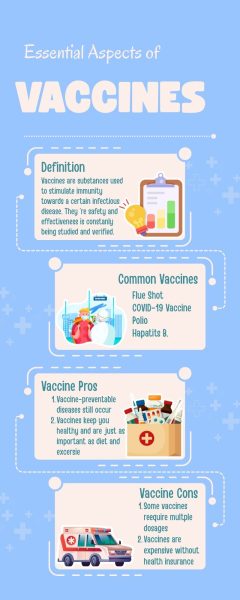
On Sept. 3, the governors of California, Oregon and Washington announced the formation of a “health alliance.” The alliance would involve the states conducting their own research about vaccines to make evidence-based recommendations for their residents, in response to recent federal actions, undermining the reliability of the Centers for Disease Control and Prevention (CDC).
However, this announcement did not address key issues, such as whether or not vaccine clinics could possibly face repercussions for giving vaccines recommended by the state and not the CDC, or whether insurance plans would cover the costs of those vaccines.
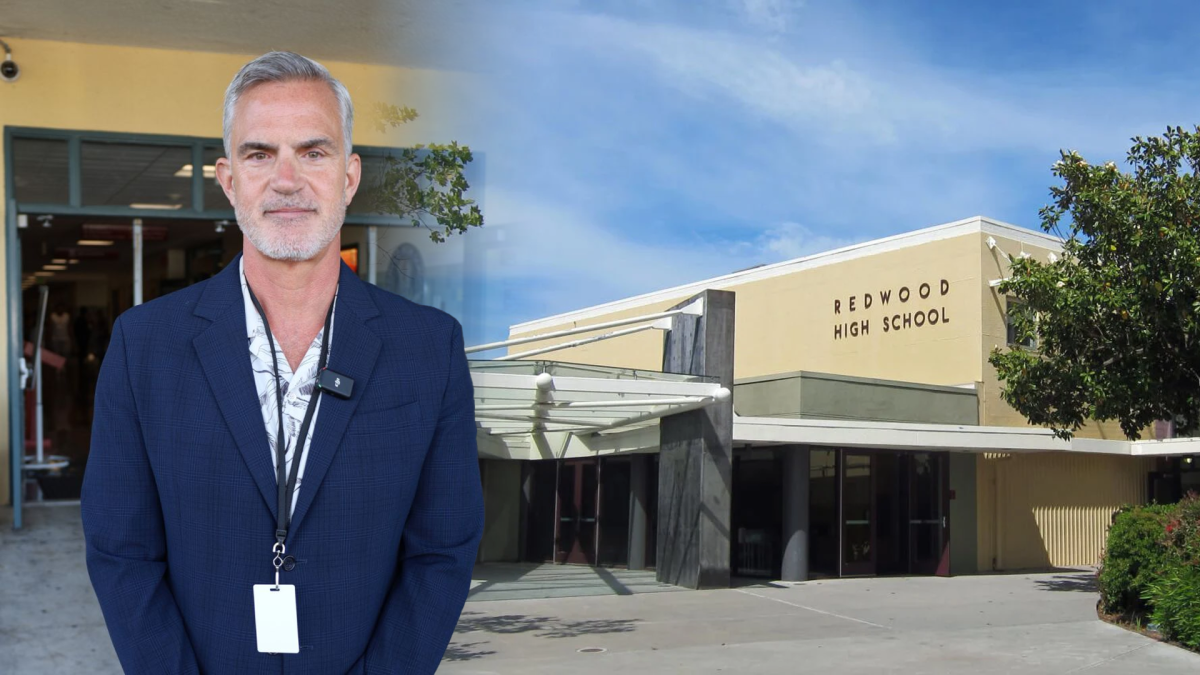
Biomedical teacher, Caitlin Tanaka Moore, has worked in research labs for vaccines and teaches sections of her biomed course on vaccines and their benefits. She shared her thoughts on the announcement.
“I am excited about it,” Tanaka said.
“I know that right now, there’s a lot of distrust in these public health agencies that are meant to protect the well being of our population. It sounds like Washington, Oregon and California are trying to bring it back to the science based piece, especially to reinstate that confidence in public health that we need,” Tanaka said.
Tanaka additionally addressed potential elements that the announcement lacks and where she believes there should be clarity.
“From what I’ve read, it’s lacking how they’re going to fund all of this, because they’re not going to get federal funding,” Tanaka said. “I’m curious about the finer details about how that’s going to look timeline wise and then how they’re going to disseminate this information to the populations to help restore confidence.”
Tanaka shared how her work in vaccine research has helped her take a stance on vaccines.
“I worked in the vaccine sector for three years, and I think it’s one of the most important technological medical advances that we have in our toolbox. To not utilize that could have consequences for the future of our populations that have long lasting effects,” Tanaka said.
Tanaka emphasized her feelings and her opinion regarding the current debate surrounding vaccines.
“I believe in the science, [and] I believe in vaccines. I was in the research, I see how they work, and it’s, so far, eradicated many of our diseases and viral infections. There are huge benefits to them,” Tanaka said.
Devon Stoll-Morrill, a junior and biomedical student, expressed that the newly formed alliance is being covered in her biomed class.
“I think that it is a good thing for our states to join up and do,” Stoll Morrill said. “The country’s government is becoming less reliable, and by creating our own system, I think that that’s definitely going to help create a place for there to be something reliable for the people.”
Stoll-Morrill said she believes that students should be informed about the political environment surrounding vaccines.
“It’s important for the students to know what’s going on and what their health care is and if their health care is going to change. It’s important to know what’s going on politically that’s going to impact their health,” Stoll-Morrill said.
Stoll-Morrill expressed her feelings towards the statement that the CDC is becoming unreliable.
“The fact that the CDC is becoming unreliable is kind of terrifying, and it’s very good that at least some part of our government is working towards keeping a more stable, reliable source open to the public,” Stoll-Morrill said.
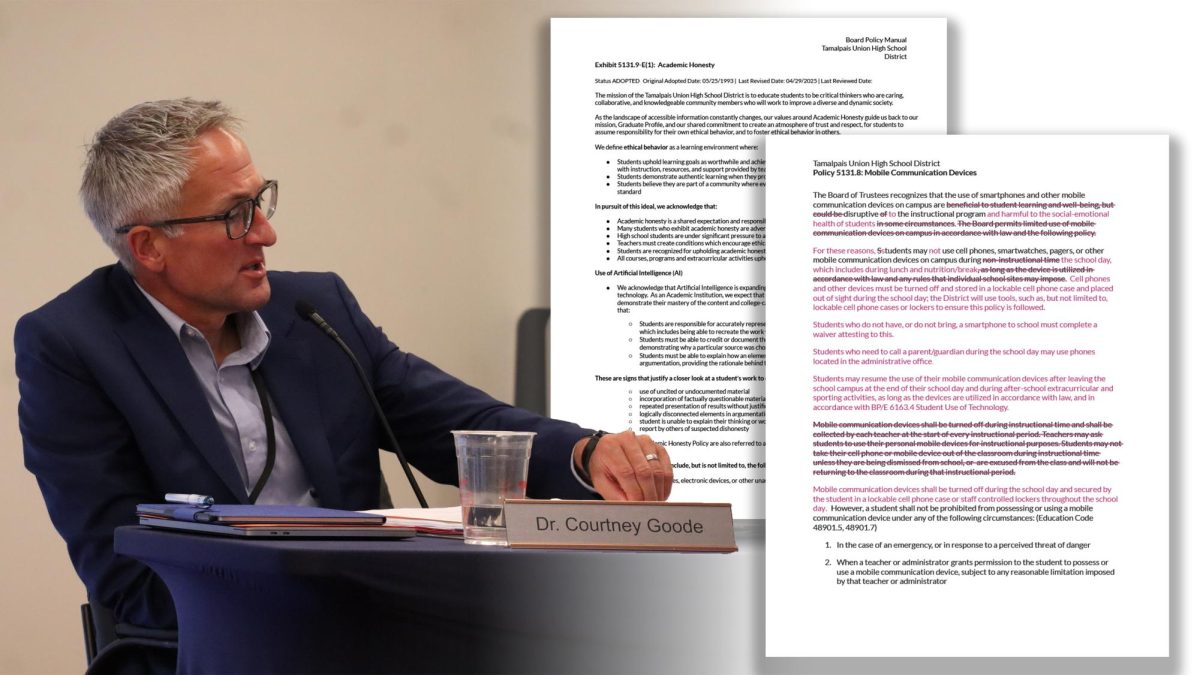
![Assistant Superintendent of Business and Operations Corbett Elsen presented an updated budget proposal for the 2026-27 fiscal year to the Tamalpais Union High School District (TUHSD) board of trustees on Tuesday, June 16.
Elsen presented an in-depth analysis of the district’s revenues, expenditures, future outlooks and the global and economic uncertainties affecting the district's revenue due to inflation and the war in Iran.
Because TUHSD is a basic-aid district, Elsen explained the significance of the housing market, stressing the gravity of the district’s financial situation as a result of lower demand.
“This is the bread and butter of our revenue: property tax revenues, [projected] to bring in over $93 million,” Elsen said, adding, “But ... we have decreased our revenue growth rate [projections].”
Elsen will return to the board of trustees on June 23, where the board will take formal action to adopt the proposed budget. To learn more about the updated budget proposal from the meeting, visit the June 16 TUHSD Gamut Online agenda.](https://redwoodbark.org/wp-content/uploads/2026/06/snapshot-1200x675.png)